Cat spraying is a common behavioral issue many cat owners face. Whether your feline is marking territory due to stress, illness, or other triggers, finding the right cat spraying medication can make a significant difference in restoring peace to your home. This article explores effective treatments to stop marking behavior, combining medical solutions with practical advice to help you manage and prevent unwanted spraying. Understanding Cat Spraying and Why It Happens Before diving into medications, it's essential to understand what causes cat spraying. Spraying is different from regular urination; it’s a form of communication where cats release small amounts of urine on vertical surfaces to mark their territory. Common causes of cat spraying include: Territorial disputes: Outdoor cats or multi-cat households can increase marking behavior. Stress or anxiety: Changes in environment, new pets, or loud noises may trigger spraying. Medical issues: Urinary tract infections o...
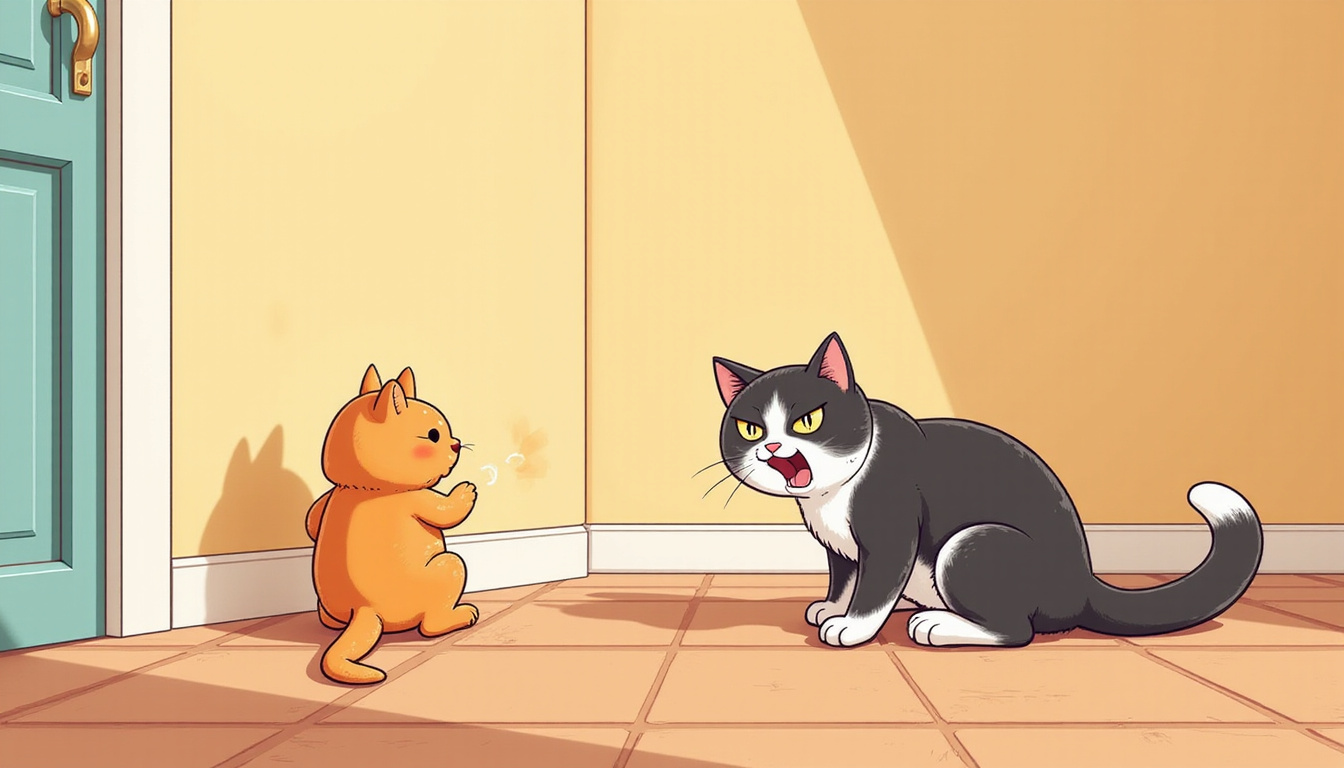
Urine marking cats is a frustrating and common problem faced by many cat owners. Unlike normal urination during litter box use, urine marking is a behavioral issue where cats deposit small amounts of urine on vertical surfaces like walls, furniture, or windows. If you've noticed this unwanted behavior happening in your home, it’s important to understand why cats do this and how you can stop it quickly and effectively. In this article, we’ll explore the causes of urine marking cats, provide practical steps to prevent it, and offer expert tips to help you maintain a fresh-smelling, stress-free household.
Why Do Cats Urine Mark?
Urine marking is a natural communication behavior in cats. It is their way of claiming territory, signaling sexual readiness, or expressing stress or anxiety. Here are the main reasons cats urine mark:
- Territorial behavior: Cats mark their territory with scent to warn other cats to stay away.
- Sexual signaling: Intact male and female cats often urine mark to attract mates.
- Stress and anxiety: Changes in the environment, new pets, or conflicts can trigger marking.
- Medical issues: Urinary tract infections or other health problems may cause inappropriate urination.
Understanding the underlying cause is essential to stopping urine marking cats effectively.
Identifying Urine Marking vs. Spraying
It’s important to differentiate between urine marking and other types of accidents that cats might have.
- Urine marking: Usually involves small amounts of urine sprayed onto vertical surfaces. The cat often stands in a tail-up or twitching tail posture while spraying.
- Litter box avoidance or medical accidents: Larger urine volumes, typically on horizontal surfaces or the floor, might indicate litter box issues or health problems.
Proper identification helps in applying the right solutions.
Steps to Stop Urine Marking Cats Fast
If you want to stop urine marking cats quickly, follow these targeted strategies:
1. Neuter or Spay Your Cat
One of the most effective ways to reduce urine marking is to neuter or spay your cat. This procedure reduces territorial and sexual behaviors greatly, especially if done before sexual maturity.
2. Thoroughly Clean Marked Areas
Cats tend to return to previously marked spots if the scent is detectable. Use an enzymatic cleaner specifically designed for pet urine to completely eliminate odors. Avoid ammonia-based cleaners because ammonia smells similar to urine and may encourage re-marking.
3. Provide Multiple Litter Boxes
A common cause of urine marking can be litter box stress or dissatisfaction. Ensure you have enough clean litter boxes—ideally one for each cat plus an extra—and place them in quiet, accessible locations.
4. Create a Stress-Free Environment
Cats often urine mark in response to stress. Reduce stress by providing hiding spots, vertical enrichment like cat trees, and regular playtime. If new pets or family members are introduced, allow gradual introductions.
5. Use Pheromone Diffusers
Commercial pheromone diffusers such as Feliway release synthetic calming facial pheromones that can reduce stress-related marking. Consider investing in these products to create a calm environment.
6. Block Access to Favorite Marking Spots
Close doors or use pet deterrent sprays to discourage your cat from marking in a particular area, especially if the above approaches aren’t enough.
7. Consult a Veterinarian
Since medical issues like urinary tract infections or bladder problems can mimic urine marking behavior, get your cat checked by a veterinarian if the problem persists after behavioral interventions.
Helpful Tips to Prevent Urine Marking Cats
- Keep your cat’s nails trimmed to reduce scratching and associated marking.
- Maintain a consistent daily routine to avoid stress.
- Complement your cat’s diet with supplements that promote relaxation.
- If you have multiple cats, monitor their interactions to prevent territorial conflicts.
When to Seek Professional Help
If urine marking cats persists despite your best efforts, consider consulting an animal behaviorist. Sometimes, a professional can help identify hidden stressors or behavioral issues and provide personalized training plans.
Quick Reference: How to Stop Urine Marking Cats
- Neuter/spay your cat early.
- Clean marked areas with enzymatic cleaners.
- Provide adequate and clean litter boxes.
- Reduce stress with environmental enrichment.
- Use pheromone diffusers.
- Limit access to marking spots.
- Visit a vet to rule out health problems.
Frequently Asked Questions About Urine Marking Cats
Q1: Can a female cat urine mark or spray?
Yes, both male and female cats can urine mark, especially if they are unspayed or unneutered. Female cats may increase marking especially during heat cycles.
Q2: Does marking mean my cat is unhappy?
Urine marking often indicates stress or territorial behavior, so it can signal that your cat feels threatened or anxious. Creating a calm environment usually helps.
Q3: How long does it take to stop urine marking after neutering?
Many cats reduce urine marking within a few weeks after neutering, but the exact time may vary depending on the cat’s age and experience with the behavior.
For in-depth insight, the ASPCA provides expert advice on cat marking behaviors and solutions source.
If you’re seeking a fast, reliable way to curb urine marking cats, consider products specially formulated to reduce marking behavior. One helpful approach is exploring natural calming aids and training tools that you can find through trusted online resources like this solution.
Conclusion
Urine marking cats is a stressful and unpleasant issue, but with the right knowledge and approach, you can stop this behavior quickly and keep your home clean and fresh. By spaying or neutering your cat, maintaining a hygienic litter box, reducing stress, and cleaning marked areas properly, you create a harmonious environment for you and your feline friend. If necessary, don’t hesitate to involve your veterinarian or an animal behavior professional to find tailored solutions. Remember, patience and consistency are key in modifying your cat’s behavior effectively.
Take action today towards a stress-free, urine-mark-free home environment!
As usual, let us know your thoughts, questions or stories. Leave a comment and we'll reply promptly!
About
How to stop a cat from spraying offers useful tips and advice on how to stop the undesired and nasty behavior with a fun, proven and effective method that will make your cat love you even more. Learn more here

Comments
Post a Comment