Cat spraying is a common behavioral issue many cat owners face. Whether your feline is marking territory due to stress, illness, or other triggers, finding the right cat spraying medication can make a significant difference in restoring peace to your home. This article explores effective treatments to stop marking behavior, combining medical solutions with practical advice to help you manage and prevent unwanted spraying. Understanding Cat Spraying and Why It Happens Before diving into medications, it's essential to understand what causes cat spraying. Spraying is different from regular urination; it’s a form of communication where cats release small amounts of urine on vertical surfaces to mark their territory. Common causes of cat spraying include: Territorial disputes: Outdoor cats or multi-cat households can increase marking behavior. Stress or anxiety: Changes in environment, new pets, or loud noises may trigger spraying. Medical issues: Urinary tract infections o...
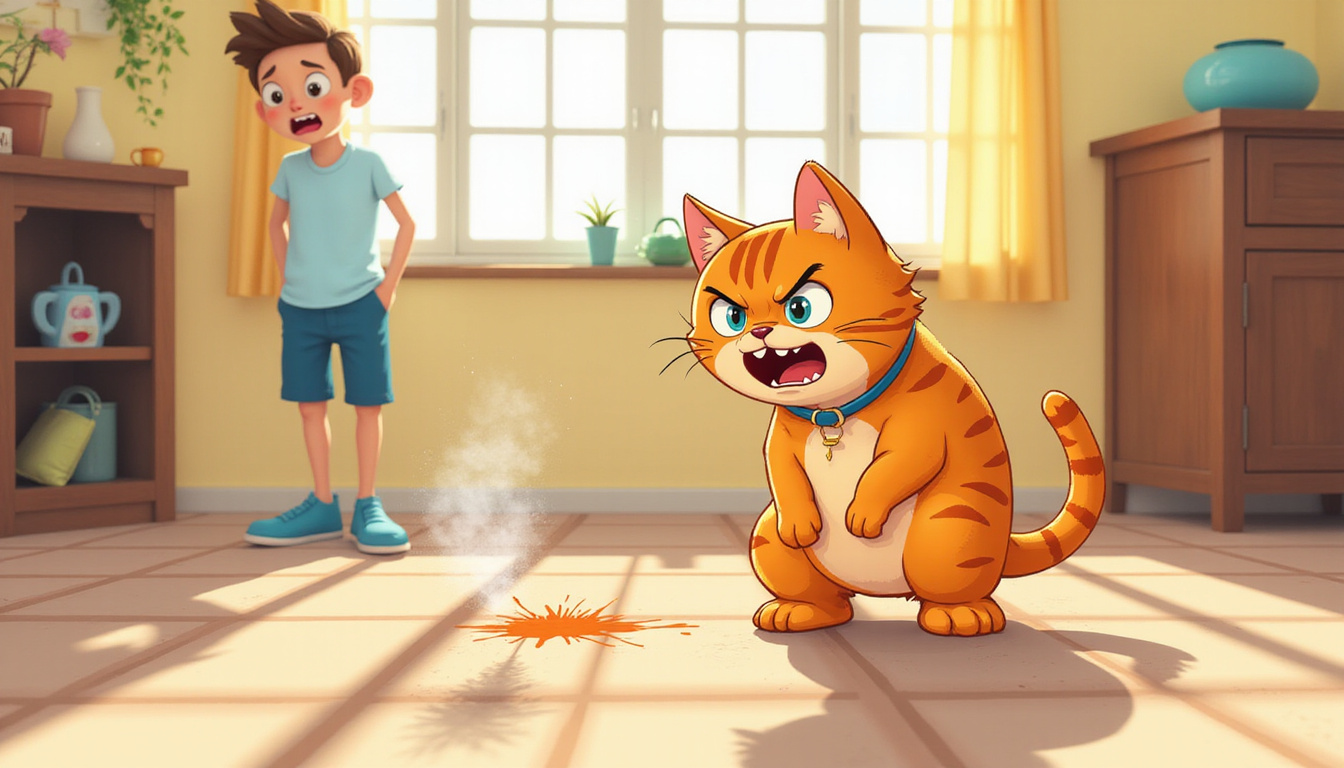
If you’re dealing with male cat spraying, you know how frustrating and challenging this behavior can be. Male cat spraying is a common issue where a male cat marks its territory by spraying urine on vertical surfaces around your home. This instinctive behavior, often linked to territorial marking and stress, can lead to unpleasant odors and damage to your furniture, walls, and belongings. Fortunately, there are several effective solutions to stop this unwanted behavior and restore peace to your household.
In this article, we’ll explore the reasons behind male cat spraying and provide actionable tips and strategies to help you manage and ultimately stop this behavior.
Understanding Male Cat Spraying
Male cat spraying is typically a territorial behavior. Intact male cats are much more likely to spray as a way to mark their territory and communicate with other cats. This behavior can also be triggered by:
- Stress or anxiety: Changes in environment, introduction of new pets, or loud noises can increase stress.
- Presence of other cats: Whether inside or outside the home, male cats may feel compelled to mark their territory.
- Sexual behavior: Unneutered males often spray to attract females.
- Medical issues: Occasionally, urinary tract infections and other health problems cause inappropriate urination.
Recognizing these triggers is the first step to resolving male cat spraying.
Why Neutering is the Most Effective Solution
One of the most effective ways to stop male cat spraying is neutering your cat. Studies show that neutering reduces or eliminates spraying in about 90% of male cats (source: ASPCA).
Neutering decreases testosterone levels, reducing your cat’s drive to mark territory. If your cat is already neutered and still spraying, it might be due to stress or environmental factors, so other strategies are necessary.
Environmental Management Tips to Reduce Spraying
Creating a stress-free environment can help reduce the likelihood of male cat spraying. Here are some key tips:
- Limit access to outside cats: Keep windows and doors closed or install screens that prevent neighborhood cats from approaching.
- Maintain a clean litter box: Cats may spray if their litter box is dirty or inconvenient.
- Reduce stressors: Establish a routine to provide consistency and security.
- Provide scratching posts and playtime: Giving your cat an outlet for energy can reduce anxiety.
- Use pheromone diffusers: Products like Feliway release synthetic cat pheromones and can calm cats, lowering the chance of spraying.
Effectively removing scent markings is crucial because the smell encourages your cat to spray again in the same spot. Avoid ammonia-based cleaners, which smell similar to urine and can stimulate more spraying.

Cleaning and Removing Odors Properly
Instead, use an enzymatic cleaner designed specifically for pet urine. These cleaners break down urine proteins and eliminate odors completely.
Behavioral Training and Reconditioning
Behavior modification can help your male cat learn to stop spraying:
- Redirect your cat’s attention: Reward your cat for using the litter box.
- Use positive reinforcement: Treats and praise when your cat urinates appropriately.
- Avoid punishment: This can increase anxiety and worsen spraying.
Consistency is key when applying these methods.
When to Consult Your Veterinarian
If male cat spraying persists despite your best efforts, consult a veterinarian. Health problems like urinary tract infections, bladder stones, or other conditions can cause inappropriate urination. A vet can perform diagnostic tests and recommend treatments.
Moreover, your vet may suggest additional behavioral therapies or medications to help manage anxiety or compulsive behaviors.
Effective Solutions to Stop Male Cat Spraying: Summary
To help you keep male cat spraying under control, here’s a quick-action list:
- Neuter your male cat as soon as possible.
- Minimize stress by maintaining a consistent environment.
- Keep litter boxes clean and in quiet, accessible locations.
- Use pheromone diffusers to promote calm behavior.
- Thoroughly clean sprayed areas with enzymatic cleaners.
- Offer behavioral training with positive reinforcement.
- Consult a veterinarian for persistent or health-related issues.
Recommended Product Solution
For pet owners struggling with persistent male cat spraying, specialized remedies can be effective. Consider exploring natural sprays and calming supplements designed specifically for this issue. For example, you can check out this highly recommended solution for male cat spraying that has helped many cat owners manage and stop unwanted spraying behavior with ease.
FAQ About Male Cat Spraying
Q1: Why do male cats spray but not always urinate outside the litter box?
Male cat spraying is a territorial marking behavior involving small amounts of urine on vertical surfaces, while inappropriate urination typically involves larger volumes on horizontal surfaces and can indicate health issues.
Q2: Can neutering a male cat stop spraying completely?
Neutering drastically reduces spraying behavior in most male cats, but some may continue due to stress or environmental factors and may require additional interventions.
Q3: How long does it take to stop male cat spraying after neutering?
It usually takes a few weeks to months for spraying to decrease or stop after neutering, but behavioral and environmental factors also impact timing.
Conclusion
Dealing with male cat spraying can be challenging, but with patience and the right strategies, it is manageable. Neutering your cat, reducing stress, maintaining cleanliness, and providing behavioral support are key components to effectively stop this unwanted behavior. When combined with proper cleaning techniques and professional advice where necessary, you can reclaim your home and enjoy a happier relationship with your feline companion.
Don’t let male cat spraying disrupt your daily life any longer. Start implementing these effective solutions today and create a peaceful environment for you and your cat.
As usual, let us know your thoughts, questions or stories. Leave a comment and we'll reply promptly!
About
How to stop a cat from spraying offers useful tips and advice on how to stop the undesired and nasty behavior with a fun, proven and effective method that will make your cat love you even more. Learn more here

Comments
Post a Comment