Cat spraying is a common behavioral issue many cat owners face. Whether your feline is marking territory due to stress, illness, or other triggers, finding the right cat spraying medication can make a significant difference in restoring peace to your home. This article explores effective treatments to stop marking behavior, combining medical solutions with practical advice to help you manage and prevent unwanted spraying. Understanding Cat Spraying and Why It Happens Before diving into medications, it's essential to understand what causes cat spraying. Spraying is different from regular urination; it’s a form of communication where cats release small amounts of urine on vertical surfaces to mark their territory. Common causes of cat spraying include: Territorial disputes: Outdoor cats or multi-cat households can increase marking behavior. Stress or anxiety: Changes in environment, new pets, or loud noises may trigger spraying. Medical issues: Urinary tract infections o...

Cat marking behavior is a common issue that many pet owners face, and understanding why cats mark their territory is crucial to effectively managing and stopping this behavior. Whether it’s scratching furniture, spraying urine, or rubbing their face on your belongings, these actions communicate important messages in your cat’s world. In this article, we will explore the causes of cat marking behavior and offer practical solutions to help you keep your home clean and maintain a harmonious relationship with your feline friend.
What Is Cat Marking Behavior?
Cat marking behavior refers to various actions that cats use to claim their territory or communicate with other cats. This behavior includes:
- Urine spraying: Cats spray small amounts of urine onto vertical surfaces.
- Scratching: Cats use their claws to leave visual and scent marks.
- Bunting: Rubbing their face against objects or people to leave scent from glands around the face.
Understanding these behaviors is essential because they are natural ways for cats to express themselves and feel secure in their environment.
Causes of Cat Marking Behavior
1. Territorial Instincts
Cats are territorial animals, and marking behavior helps secure their space. When a new cat is introduced into the neighborhood or home, your pet may increase marking to assert dominance or express anxiety about sharing their territory.
2. Stress and Anxiety
Stressful changes, such as moving house, new pets, or guests, can trigger marking behavior. Cats use marking as a coping mechanism to create a sense of familiarity and control over their surroundings.
3. Mating Behavior
Unneutered male cats are especially prone to spraying as a way to attract mates and warn off rivals. Neutering or spaying can greatly reduce this type of cat marking behavior.
4. Medical Issues
Sometimes, marking is linked to health problems such as urinary tract infections or bladder stones. It’s important to rule out medical causes by consulting a veterinarian if your cat suddenly starts marking indoors.
How to Stop Cat Marking Behavior Effectively
Stopping cat marking behavior requires a combination of strategies targeting the cause and reinforcing positive habits. Here are key approaches:
1. Spay or Neuter Your Cat
One of the most effective ways to reduce territorial and mating-based marking is to spay or neuter your cat. This decreases hormone-driven behaviors and often significantly diminishes spraying and marking.
2. Provide a Safe and Enriching Environment
Reducing stressors in your cat’s home life can help minimize marking. This includes:
- Offering plenty of separate litter boxes (one per cat plus one extra).
- Creating vertical spaces like cat trees or shelves for your cat to climb.
- Providing toys and interactive playtime to reduce anxiety.
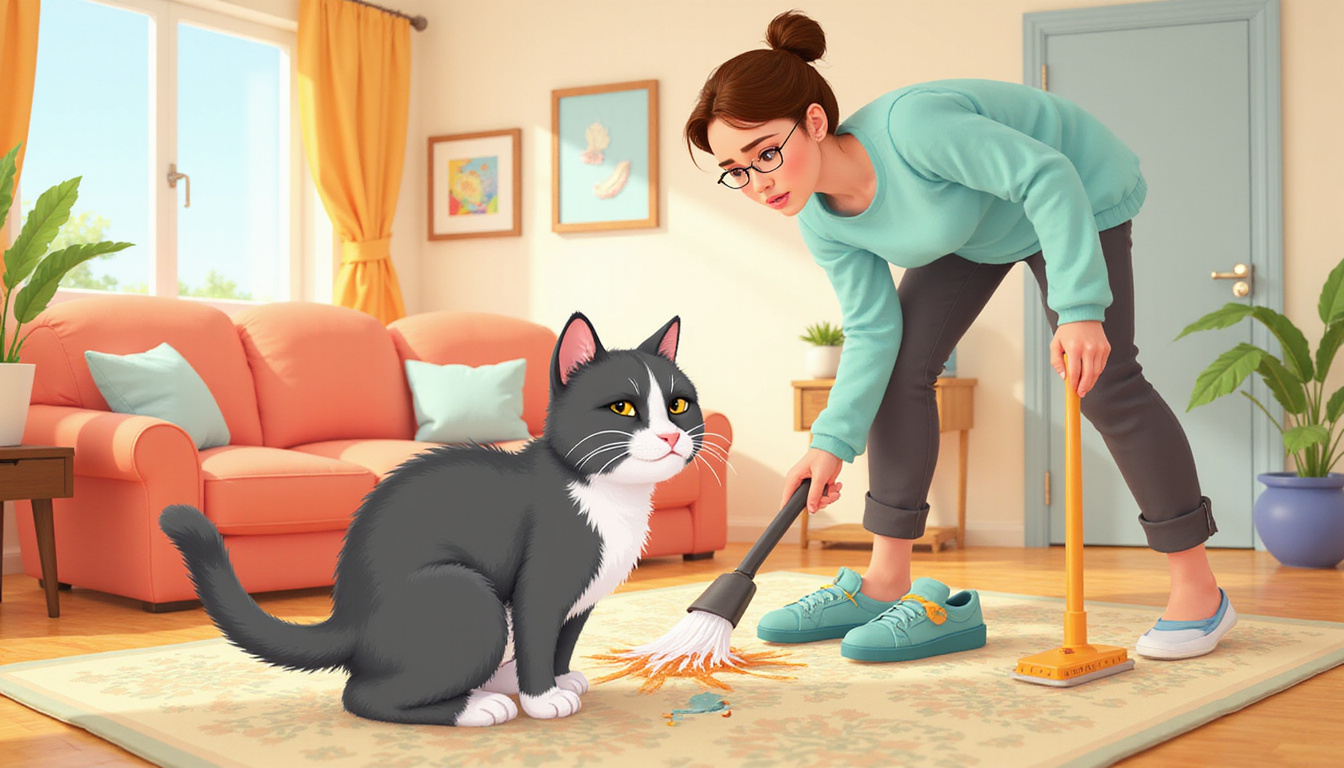
3. Clean Marked Areas Thoroughly
Cats return to areas they have marked if the scent remains. Use enzymatic cleaners designed for pet urine to completely eliminate odors. Avoid ammonia-based cleaners, which can mimic the smell of urine and encourage marking.
4. Use Synthetic Pheromone Products
Products like Feliway release calming pheromones that can reduce stress and the urge to mark. These are available as diffusers or sprays and can be placed near problem areas or in your cat’s resting spaces.
5. Restrict Access to Marked Spots
Limit your cat’s access to areas they frequently mark until the behavior decreases. Use deterrents such as double-sided tape or aluminum foil on furniture to discourage scratching and rubbing.
6. Consult a Veterinarian or Behaviorist
If marking persists, seek professional advice. Behaviorists can tailor a plan based on your cat’s specific triggers, and vets can check for underlying health issues that may be causing marking.
Quick Tips to Prevent Cat Marking Behavior
- Keep litter boxes clean and in quiet areas of the home.
- Maintain a consistent routine to reduce stress-induced marking.
- Avoid punishment; instead, reward positive behaviors with treats.
- Introduce new pets or changes gradually to give your cat time to adjust.
Frequently Asked Questions About Cat Marking Behavior
Q1: How can I tell if my cat is marking or just urinating outside the litter box?
A1: Marking usually involves spraying a small amount of urine on vertical surfaces like walls or furniture. Inappropriate urination often involves larger puddles on horizontal surfaces and may indicate a medical issue or litter box problem.
Q2: Will neutering my cat stop all marking behavior?
A2: Neutering significantly reduces marking related to mating instincts but does not eliminate marking caused by stress or territorial disputes. Behavioral modifications may still be necessary.
Q3: Are there natural remedies to reduce cat marking behavior?
A3: Yes, natural remedies include using pheromone diffusers like Feliway, providing plenty of enrichment, and ensuring your cat feels safe in their environment, which can decrease stress-related marking.
For more in-depth insights about managing cat marking behavior, reputable sources like the ASPCA provide excellent guidance (source).
If you’re struggling with cat marking behavior, consider this comprehensive solution designed to help cat owners address this issue effectively and restore peace to your home.
Conclusion
Cat marking behavior is a natural communication method rooted in your feline’s instincts and emotions. By recognizing the causes and implementing targeted strategies, you can effectively reduce and stop unwanted marking. From spaying or neutering your pet to creating a stress-free environment and cleaning thoroughly, each step plays a role in solving this common challenge. Commit to understanding your cat’s needs, and you’ll foster a happier coexistence with your furry companion.
Ready to tackle cat marking behavior for good? Equip yourself with the right tools and knowledge to reclaim your home and enjoy your cat’s affectionate company without disruptions. Start making these changes today and watch positive results unfold.
As usual, let us know your thoughts, questions or stories. Leave a comment and we'll reply promptly!
About
How to stop a cat from spraying offers useful tips and advice on how to stop the undesired and nasty behavior with a fun, proven and effective method that will make your cat love you even more. Learn more here

Comments
Post a Comment