Cat spraying is a common behavioral issue many cat owners face. Whether your feline is marking territory due to stress, illness, or other triggers, finding the right cat spraying medication can make a significant difference in restoring peace to your home. This article explores effective treatments to stop marking behavior, combining medical solutions with practical advice to help you manage and prevent unwanted spraying. Understanding Cat Spraying and Why It Happens Before diving into medications, it's essential to understand what causes cat spraying. Spraying is different from regular urination; it’s a form of communication where cats release small amounts of urine on vertical surfaces to mark their territory. Common causes of cat spraying include: Territorial disputes: Outdoor cats or multi-cat households can increase marking behavior. Stress or anxiety: Changes in environment, new pets, or loud noises may trigger spraying. Medical issues: Urinary tract infections o...
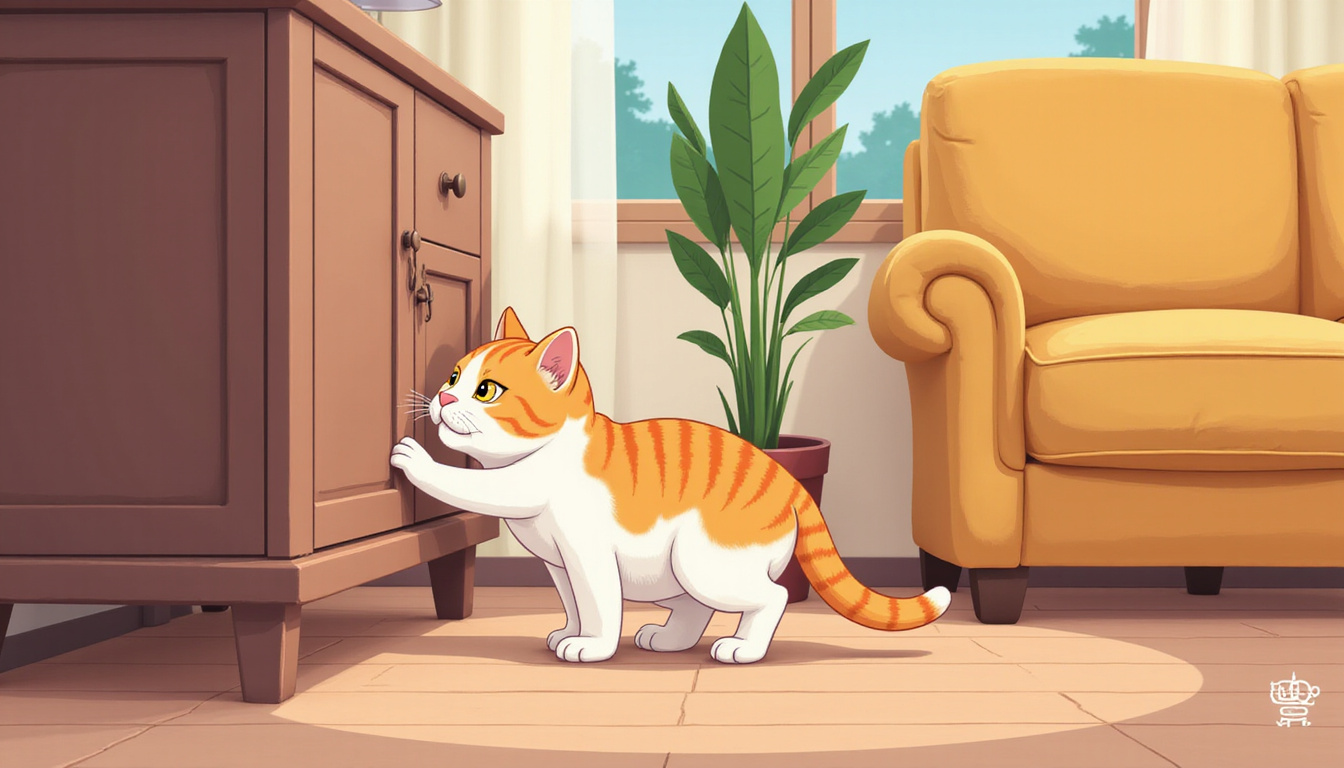
Cats are unique, independent creatures with a range of behaviors that can sometimes puzzle their owners. One such behavior that often raises concern is cat marking signs — a way cats communicate ownership, territory, and emotional states. Understanding these signs not only helps in managing your feline friend’s behavior but also strengthens the bond between you and your cat. In this article, we'll explore the common cat marking signs, why cats mark, and how to effectively manage this behavior to maintain harmony in your home.
What Are Cat Marking Signs?
Cat marking signs are behaviors that indicate your cat is trying to mark its territory or communicate with other animals. This is a natural behavior for cats, stemming from their instincts to claim and protect their space. Cat marking can manifest in several ways, including spraying urine, scratching furniture, rubbing their face against objects, or leaving scent glands' secretions on surfaces.
Recognizing these signs early on is crucial to addressing any related issues before they escalate or cause damage.
Common Types of Cat Marking Signs
1. Urine Spraying
One of the most noticeable cat marking signs is urine spraying. Unlike regular urination, spraying involves the cat backing up to vertical surfaces like walls, furniture, or doors and releasing a small amount of concentrated urine. This behavior is commonly seen in unneutered males but can occur in females and neutered males as well. It is often a response to stress, the presence of other cats, or changes in the environment.
2. Scratching
Scratching is another clear cat marking sign. Cats have scent glands in their paws, so when they scratch objects like furniture, carpets, or scratching posts, they're leaving both a visual and a scent mark. This behavior serves to define territory and also helps cats stretch and maintain their claws.
3. Rubbing and Head Butting
Cats also mark territory through rubbing their cheeks, chin, and flanks against objects, furniture, or even their humans. This action deposits pheromones from specialized glands, signaling to other cats that an area or person is "claimed." This behavior is usually a positive sign of affection but is part of their marking toolkit.
Some cats engage in digging or scratching at particular spots, such as litter boxes or near their sleeping areas. This behavior can be part of marking as well, helping spread their scent.

4. Scraping and Digging
Some cats engage in digging or scratching at particular spots, such as litter boxes or near their sleeping areas. This behavior can be part of marking as well, helping spread their scent.
Why Do Cats Mark Their Territory?
Cat marking signs are deeply rooted in feline biology and psychology:
- Territorial Instincts: Cats are territorial animals who use marking to establish and defend their space from other animals.
- Stress and Anxiety: Changes in environment, new pets, or unfamiliar people can trigger marking behavior as a way for your cat to self-soothe.
- Mating Behavior: Intact cats often spray to signal reproductive availability or ward off rivals.
- Communication: Marking communicates presence and status to other cats.
Understanding the underlying cause of marking can help you address and reduce this behavior effectively.
How to Manage Cat Marking Behavior
Managing cat marking requires a combination of environmental changes, behavior modification, and sometimes medical intervention. Here are some effective strategies:
1. Neuter or Spay Your Cat
One of the most effective ways to reduce urine spraying and marking is to neuter or spay your cat. Studies show that this surgery significantly decreases territorial marking behavior, especially in male cats (source).
2. Provide Adequate Resources and Territory
Cats mark when they feel their territory is threatened. Providing enough resources — such as food bowls, litter boxes, and resting spots — reduces competition and anxiety.
3. Use Pheromone Diffusers
Synthetic feline pheromones can be diffused in your home to calm your cat and reduce marking behavior. Products like Feliway replicate natural pheromones and create a sense of security for your cat.
4. Clean Soiled Areas Thoroughly
Clean any marked areas with enzymatic cleaners to remove all traces of scent. Avoid ammonia-based cleaners as they may encourage more urine marking since cat urine contains ammonia.
5. Offer Alternatives to Scratching
Provide scratching posts or pads to redirect the scratching behavior. Place these around your home in areas your cat frequents.
6. Reduce Stress and Anxiety
Maintain a stable routine and minimize changes in the environment. Play and interactive toys can help reduce stress levels.
7. Consult a Veterinarian
If marking persists despite your efforts, consult a vet to rule out medical issues like urinary tract infections or behavioral disorders.
Signs You Should Watch For
Understanding the specific cat marking signs will help you distinguish normal behavior from problematic marking. Here are signs to watch for:
- Frequent urine spraying on vertical surfaces
- Persistent scratching on furniture or doors even with a scratching post available
- Excessive rubbing or head butting around the home
- Sudden onset of marking behavior in a previously well-behaved cat
Frequently Asked Questions (FAQ)
Q1: How can I tell if my cat is marking or just having an accident?
Cat marking usually involves small amounts of urine sprayed on vertical surfaces, often with the tail twitching. Regular accidents tend to be larger pools of urine on horizontal surfaces. Observing the posture and location can help differentiate.
Q2: Can neutering stop all cat marking signs?
Neutering reduces the likelihood of urine spraying but may not eliminate marking completely, especially if it is stress-related. Combining neutering with environmental management is most effective.
Q3: Are there products that help with cat marking behavior?
Yes, pheromone diffusers like Feliway mimic natural cat pheromones and create a calming environment. Enzymatic cleaners help remove scent marks. For more detailed solutions, check out cat marking signs treatments and guides for managing this behavior.
Conclusion
Identifying cat marking signs is the first step towards understanding your cat’s needs and improving its behavior. While marking is a natural form of feline communication, persistent marking inside the home can be frustrating. By recognizing the signs, addressing the causes, and implementing effective management strategies such as neutering, environmental enrichment, and pheromone therapy, you can help your cat feel secure and reduce unwanted behaviors.
For more comprehensive advice and products specifically designed to curb marking, consider exploring trusted resources that offer in-depth solutions for cat owners.
Take action today to foster a peaceful home environment for you and your beloved feline companion!
As usual, let us know your thoughts, questions or stories. Leave a comment and we'll reply promptly!
About
How to stop a cat from spraying offers useful tips and advice on how to stop the undesired and nasty behavior with a fun, proven and effective method that will make your cat love you even more. Learn more here

Comments
Post a Comment