Cat spraying is a common behavioral issue many cat owners face. Whether your feline is marking territory due to stress, illness, or other triggers, finding the right cat spraying medication can make a significant difference in restoring peace to your home. This article explores effective treatments to stop marking behavior, combining medical solutions with practical advice to help you manage and prevent unwanted spraying. Understanding Cat Spraying and Why It Happens Before diving into medications, it's essential to understand what causes cat spraying. Spraying is different from regular urination; it’s a form of communication where cats release small amounts of urine on vertical surfaces to mark their territory. Common causes of cat spraying include: Territorial disputes: Outdoor cats or multi-cat households can increase marking behavior. Stress or anxiety: Changes in environment, new pets, or loud noises may trigger spraying. Medical issues: Urinary tract infections o...
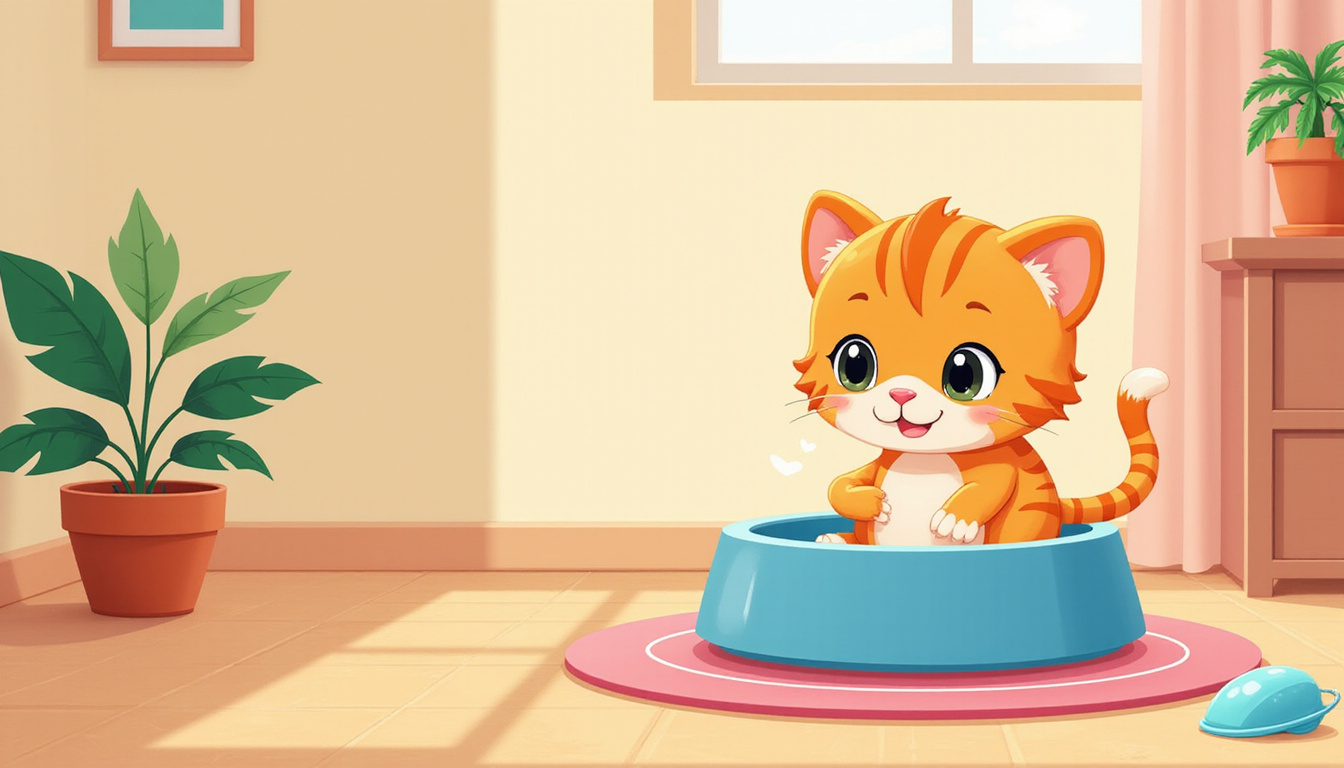
Bringing a new kitten home is an exciting experience, but one of the first challenges new cat owners face is mastering cat litter box training. Teaching your furry friend to use the litter box properly not only keeps your home clean but also ensures your kitten’s comfort and health. With some patience, consistency, and the right techniques, your kitten can learn to use the litter box quickly and confidently.
In this article, we’ll explore effective cat litter box training tips to help your kitten adapt smoothly to their new environment.
Understanding Your Kitten’s Natural Instincts
Cats instinctively bury their waste, so litter box training often comes naturally. However, kittens raised without exposure to litter boxes may need a bit more guidance. Knowing your kitten’s behavior and physiology can help you anticipate their needs and establish positive habits.
- Scent Attraction: Cats prefer using areas where they’ve gone before because of their scent.
- Privacy Needs: Kittens, like adult cats, favor quiet, private locations for elimination.
- Cleanliness: Cats are fastidious animals and will avoid dirty litter boxes.
By understanding these instinctual preferences, you can better support your kitten’s litter box training journey.
Step-by-Step Cat Litter Box Training Guide
Here’s a thorough guide to get started with cat litter box training, ensuring success in minimal time.
1. Choose the Right Litter Box and Litter
Selecting an appropriate litter box is the first crucial step. For kittens, a box with low sides is ideal for easy access.
- Size: Large enough for your kitten to turn around comfortably.
- Type: Open boxes work well; covered boxes can trap odors but may be intimidating initially.
- Litter: Use unscented, clumping litter designed for kittens, as strong scents can be off-putting.
2. Position the Litter Box Strategically
Place the litter box in a quiet, accessible area. Avoid high-traffic zones or places near your kitten’s food and water bowls. The location should offer privacy while still being easy for your kitten to locate.
3. Introduce Your Kitten to the Litter Box Frequently
Right after bringing your kitten home, gently place them in the litter box. Repeat this especially after they wake up, eat, or show signs of needing to eliminate (sniffing or scratching the floor).
4. Encourage and Reward Good Behavior
Positive reinforcement goes a long way. When your kitten uses the litter box successfully, reward them with treats, gentle petting, or praise. This helps them associate the behavior with positive outcomes.
5. Keep the Litter Box Spotlessly Clean
Regularly scoop out waste and change litter weekly to maintain hygiene. A dirty box discourages use and may lead your kitten to eliminate elsewhere.
6. Avoid Punishment
If your kitten has an accident outside the litter box, clean the area thoroughly using an enzymatic cleaner to remove odors and never punish them. Negative reactions can cause fear or confusion.
Common Challenges and How to Overcome Them
Even with the best preparations, you might encounter setbacks. Here are a few hurdles and tips to handle them:
- Kitten ignores the litter box: Ensure the box is clean, easily accessible, and in a quiet place. Experiment with different litter types.
- Frequent accidents: Increase litter box visibility and frequency of guiding your kitten to it.
- Health issues: Urinary tract infections or other medical problems can affect urination habits. Consult a veterinarian if issues persist.
Benefits of Successful Cat Litter Box Training
Mastering cat litter box training with your kitten brings several rewards:
- A cleaner, odor-free home environment
- Reduced stress for both kitten and owner
- Greater trust and bond between you and your kitten
- Early detection of health problems by monitoring litter box use
5 Essential Tips To Speed Up Cat Litter Box Training
To help you get results faster, here’s a concise list of key strategies:
- Start immediately after bringing the kitten home.
- Use multiple litter boxes if you have a large home or multiple kittens.
- Maintain consistent routine by periodically placing the kitten in the box.
- Select kitten-friendly litter with soft granules.
- Monitor and clean accidents promptly to prevent repeat incidents.
For those seeking an in-depth, proven method on cat litter box training, many owners have found success with specialized training programs. You can explore more comprehensive resources by clicking on cat litter box training for targeted advice and tips.
Frequently Asked Questions about Cat Litter Box Training
1. How long does cat litter box training usually take?
Most kittens respond within a few days to a couple of weeks. However, some may take longer depending on age, temperament, and previous training. Consistency and patience are crucial for speeding up this process.
2. Can I train my older cat to use a litter box?
Yes, older cats can be trained, but it might require more time and patience. Addressing any underlying medical or behavioral issues is essential in such cases.
3. What type of litter is best for kittens?
Unscented, clumping clay litter with very fine granules is typically the best choice for kittens. This type is gentle on their paws and encourages usage.
When to Seek Professional Advice
If after weeks of consistent training your kitten refuses to use the litter box or shows signs of distress, consult a veterinarian or a professional animal behaviorist. Persistent litter box avoidance could indicate health issues or anxiety.
Additionally, authoritative pet care sites such as the American Society for the Prevention of Cruelty to Animals (ASPCA) offer expert guidance on litter box training and feline behavior (source). They provide valuable information to ensure your kitten’s well-being and happiness.

Final Thoughts: Make Litter Box Training a Positive Experience
Effective cat litter box training is within your reach by embracing gentle techniques, careful observation, and a clean, comfortable environment. Remember, every kitten learns at their own pace, so celebrate small milestones and remain patient.
By building good litter habits early, you set the stage for a happy, healthy relationship with your feline companion.
Ready to take your cat litter box training to the next level? Discover expert strategies and detailed guides that simplify the process—your kitten will thank you!
Click here to learn more about cat litter box training.
As usual, let us know your thoughts, questions or stories. Leave a comment and we'll reply promptly!
About
How to stop a cat from spraying offers useful tips and advice on how to stop the undesired and nasty behavior with a fun, proven and effective method that will make your cat love you even more. Learn more here

Comments
Post a Comment